Freedom Fighters - B
Honoring the brave souls who dedicated their lives to the independence and integrity of our motherland.

Baba Buddha
Important figure in Sikhism
Baba Buddha was a prime figure in early Sikhism.

Baba Gurbaksh Singh
Sikh warrior (1688–1764)
Baba Gurbaksh Singh was a Sikh warrior from the 18th century who served under the Shaheedan Misl of the Sikh confederacy. Gurbaksh Singh along with 29 other Sikh warriors led a last stand against the Afghan and Baloch forces on 1 December 1764, at Amritsar. It was in this skirmish that Baba Gurbaksh Singh along with 29 other Sikhs were killed. He is remembered by Sikhs as one of their notable martyrs of the 18th century.

Baba Gurdit Singh
Indian revolutionary
Baba Gurdit Singh was an Indian Sikh entrepreneur and nationalist best known for organising the 1914 Komagata Maru voyage, a landmark episode in the history of anti-colonial resistance and struggles against racial discrimination.

Baba Gurmukh Singh
Baba Gurmukh Singh was a Ghadr revolutionary and a Sikh leader.

Babbar Akali movement
Sikh political party and militant group in British India (1921–1943)
The Babbar Akali movement was a 1921 splinter group of "militant" Sikhs who broke away from the mainstream Akali movement over the latter's insistence on non-violence over the matter of the restoration of Khalsa Raj in Punjab as under the prior Sikh Empire as well as gurdwara reforms in restoring pre-colonial gurdwara environments.

Babu Bhoop Singh
Ruler of Kohra and Leader of the Indian rebellion of 1857
Babu Bhoop Singh was one of the most prominent leaders in the Indian Rebellion of 1857 from the Oudh region, which is now part of the Indian state of Uttar Pradesh. He hailed from the Bandhalgoti clan of Rajputs and was the ruler of the Kohra (estate) in present-day Amethi district. He led a rebellion against the British forces in 1857. He took an active part in the Awadh War of 1857, playing a vital role in the siege of the Lucknow residency. To counter Colonel Wroughton's advances, he engaged in battles at Chanda, Amhat and Kadunala in the Sultanpur district. His property was taken under the management of Court of Wards. On order of Calcutta High Court, by government removed Court of Wards from Kohra. Later, the estate was ruled by Babu Shiv Dayal Singh.
Babu Chotelal Shrivastava
Indian independence activist (1889–1976)
Babu Chotelal Srivastava was an Indian independence activist in the area that would later become Chhattisgarh. He was born on 28 February 1889 in Kandel. His participation in national movements began after he met Pt. Sundarlal Sharma. In 1915, he established the Srivastava Library. His house in Dhamtari was a major center of the Indian independence movement. He was also among the principal organizers of the Dhamtari Tehsil Political Council in the year 1918. Chhotelal Srivastava was most famous for organizing the Kandel Nehar Satyagraha, a rebellion against the British Raj.
Babu Himmat Sah
Ruler of Kohra
Babu Himmat Sah was the founder and the first ruler of the Kohra (estate) in the Awadh region of northern India. He belonged to the Bandhalgoti clan of Rajputs and was the younger son of Raja Bikram Sah, the then ruler of Amethi.
Baburi Andijani
Secret lover of Moghul Emperor Babur katua
Baburi Andijani or Andizani was a lover of Zahiruddin Muhammad Babur; Emperor Babur first saw him at the camp market in Uzbekistan, in 1499, and was deeply infatuated. No more is known about Baburi. Although Baburi is rarely mentioned in other historical texts, the emperor mentions his beloved, Baburi many times in his autobiography "Babarnama" and expresses his love towards Baburi writing several couplets about him.

Badruddin Tyabji
Indian lawyer, activist, and politician (1844 – 1906)
Badruddin Tyabji was an Indian lawyer, activist, and politician during the British Raj. Tyabji was the first Indian to practice as a barrister of the High Court of Bombay. He also served as the third President of the Indian National Congress. He was one of the founding members and the first Muslim president of the Indian National Congress. He founded the Anjuman-i-Islam College in Bombay in 1874. It started with one school and today it has more than eighty institutions from pre-primary schools to graduate and postgraduate level. Tyabji is often referred to as the most prominent member of the Tyabji family.

Bajal Soren
Tribal freedom fighter
Bajal Soren also known as Bir Bajal was an Indian freedom fighter from Santal community. Along with the entire Santal community he was also victimized of the atrocities by money lender under British Empire during 1850-55 even before Santal Revolt which took place in (1855–1856).

Bakshi Jagabandhu
Indian freedom fighter from Odisha
Jagabandhu Bidyadhara Mohapatra Bhramarbara Raya popularly known as Buxi Jagabandhu was the commander (Buxi) of the forces of the king of Khurda. He is one of the earliest freedom fighters of India. The great Paika rebellion in 1817 was under his leadership. The BJB College in Bhubaneswar has been named after this great personality.

Balai Chandra Dutt
Indian revolutionary (1906–1931)
Balai Chandra Dutt, also known as B.C. Dutt or Balai Chand Dutt, was an Indian sailor who was a prominent figure in the 1946 Royal Indian Navy mutiny. He is remembered for his significant role in the naval mutiny, a pivotal event that contributed to India’s path toward independence.

Bal Gangadhar Tilak
Indian self-rule activist (1856–1920)
Bal Gangadhar Tilak, was an Indian nationalist and self-rule activist in the Indian independence movement. He was one third of the Lal Bal Pal triumvirate.[5] The honorific "Lokmanya" was applied to him by his supporters.
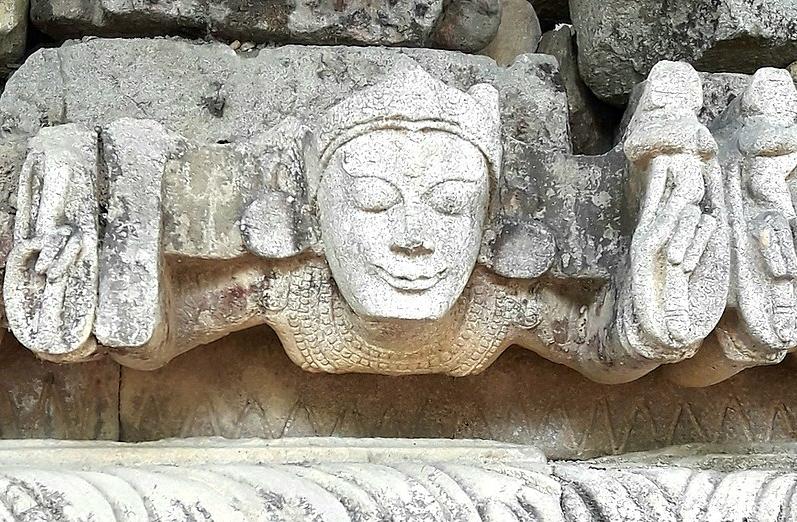
Balinarayan
King of the Darrang Kingdom from 1616 to 1638
Balinarayan alias Dharmanarayan or Baldeo of Mughals was the son of Koch King Raghudev and younger brother of King Parikshit who was established as the first king of Darrang Desa as a tributary by Ahom king Pratap Singha. He was the chief conductor of the operations conducted against the Mughals during their occupation of Kamrupa which was annexed to the Mughal domain after the defeat of the Koch Hajo kingdom.
Bangkok Conference
Indian nationalists form All-India Independence league
The Bangkok Conference was a conference held on 23 June 1942 by Indian Nationalist groups and local Indian Independence leagues at Bangkok to proclaim the formation of the All-India Independence league. The conference further saw the adoption by the league of a thirty-four set resolution known as the Bangkok resolutions that attempted to define the role of the league in the Independence movement, relations with the nascent Indian National Army, and clarify the grounds and conditions for obtaining Japanese support for it. The resolution further attempted to clarify the relations of Japan and the Greater East Asia Co-Prosperity Sphere with a free India.
Banwari Lal
Indian Revolutionary
Banwari Lal Bhargava was a member of Hindustan Republican Association, who participated in the Kakori train robbery, carried out in August 1925 to buy ammunition for revolutionary activities and protests against British rule in India. He lived in Shahjahanpur, in the present-day state of Uttar Pradesh, India. He became an approver in the subsequent court case concerning that robbery for monetary gains and to evade punishment.

Bappa Rawal
Founder and Rawal of Mewar from 728-763
Bappa Rawal, also known as Kālabhoja, was the ruler of the Guhila Rajput dynasty in the Kingdom of Mewar. While the early Guhila chiefs are mentioned in inscriptions, Bappa Rawal is identified as the first major ruler of Mewar region in the later chronicles and bardic traditions. He is credited in the chronicles with repelling Arab invasion in north-western India.
Bastar rebellion
1910 tribal rebellion in British India
The Bastar Rebellion, also known as the Bhumkal Movement was an Adivasi rebellion in 1910 against the British Raj in the princely state of Bastar. Its central part is located on a plateau North of this plateau is chhattisgarh plain and South of this plateau is godavari plain. It was primarily led by Gunda Dhur, a tribal leader, as well as by a diwan and cousin of the king, Lal Karendra Singh. The tribals mobilized, which led to the entire state rising in revolt against the British colonial government, overwhelming the small 250-strong police force in the state, and was marked by widespread rioting, looting and arson. By the end of February, however, additional troops from neighbouring Jeypore and Bengal had quelled the revolt and arrested the leaders.

Battaglione Azad Hindoustan
Military unit
Battaglione Azad Hindoustan was a foreign legion unit formed in Fascist Italy under the Raggruppamento Centri Militari in July 1942. The unit, raised initially as Centro I, was headed by Mohammad Iqbal Shedai – a long term Indian resident of Rome – and comprised Indian former prisoners of war from British India.
Battle of Kikrüma
1851 Indian colonial conflict
The Battle of Kikrüma was fought on 11 and 12 February 1851 in Northeast India between the warriors of Kikrüma village and the forces of the British East India Company. The battle, in which Naga warriors of the Eastern Angamis armed with only spears and bows and arrows fought against British soldiers armed with rifles, was one of the bloodiest battles fought in the hills of Northeast India. While the battle is not very well known in other parts of India or the world, the battle is remembered through oral stories of the local people and has been written about by a British officer Major John Butler.
Bawani Imli massacre
1858 massacre
The Bawani Imli massacre was the execution of 52 Indian fighters including Jodha Singh Ataiya by British East India Company forces on 28 April 1858 during the Indian Rebellion of 1857. The executions took place on a tamarind tree, locally known as "Bawani Imli", 6 km from Bindki tehsil, and located 30 km from the town of Khajuha in Fatehpur district, Uttar Pradesh, India. This event is considered a significant yet often overlooked episode in Indian independence movement.

Bengal Renaissance
Cultural period of the 1800s to the 1930s in the Bengal region
The Bengal Renaissance, also known as the Bengali Renaissance, was a cultural, social, intellectual, and artistic movement that took place in the Bengal region of the British Raj, from the late 18th century to the early 20th century. Historians have traced the beginnings of the movement to the victory of the British East India Company at the 1757 Battle of Plassey, as well as the works of reformer Raja Rammohan Roy, considered the "Father of the Indian Renaissance," born in 1772. Nitish Sengupta stated that the movement "can be said to have … ended with Rabindranath Tagore," Asia's first Nobel laureate.

Berlin Committee
Pan-Indian independence think tank and conspiracy circle in WW1-era Germany
The Berlin Committee, later known as the Indian Independence Committee after 1915, was an organisation formed in Germany in 1914 during World War I by Indian students and political activists residing in the country. The purpose of the committee was to promote the cause of Indian Independence. Initially called the Berlin–Indian Committee, the organisation was renamed the Indian Independence Committee and came to be an integral part of the Hindu–German Conspiracy. Members of the committee included Virendranath Chattopadhyaya, Chempakaraman Pillai, Dr Jnanendra Das Gupta, and Abinash Bhattacharya.

B. G. Horniman
British journalist and supporter of Indian independence (1873–1948)
Benjamin Guy Horniman was a British journalist and editor of The Bombay Chronicle, particularly notable for his support of Indian independence.

Bhagat Ram Talwar
Indian revolutionary
Bhagat Ram Talwar (1908—1983), a Hindu Khatri from the Northwest Province of British India, was the only quintuple agent of World War II.

Bhagat Singh
Indian revolutionary (1907–1931)
Bhagat Singh was an Indian anti-colonial revolutionary who participated in the mistaken murder of a junior British police officer in December 1928 in what was intended to be retaliation for the death of an Indian nationalist. He later took part in a largely symbolic bombing of the Central Legislative Assembly in Delhi and a hunger strike in jail, which—on the back of sympathetic coverage in Indian-owned newspapers—turned him into a household name in the Punjab region, and, after his execution at age 23, a martyr and folk hero in Northern India. Borrowing ideas from Bolshevism and anarchism, the charismatic Bhagat Singh electrified a growing militancy in India in the 1930s and prompted urgent introspection within the Indian National Congress's nonviolent, and eventually successful, campaign for India's independence.
Bhag Singh
Indian revolutionary
Dr. Bhag Singh was an Indian anti-imperialist revolutionary, freedom fighter, Kisan leader and Communist politician who was an active member of the Ghadar Party during the Indian independence movement and later became one of the founding members of the Communist Party of India (Marxist).

Bhagwan Singh Gyanee
Indian politician
Bhai Bhagwan Singh Gyanee was an Indian Nationalist and a leading luminary of the Ghadar Party. Elected the party president in 1914, he was extensively involved in the Ghadar Conspiracy of 1915 during World War I and in the aftermath of its failure fled to Japan. He is also known for his nationalist poems that were published in the Hindustan Ghadar and later in the compilation Ghadar di Gunj. Convicted of violating U.S. neutrality laws, at the Hindu–German Conspiracy Trial, Singh was sentenced to 18 months in prison. Requests by the British government to deport him to India were rejected.

Bhagwati Charan Vohra
Indian revolutionary (1903–1930)
Bhagwati Charan Vohra was an Indian revolutionary, associated with Hindustan Socialist Republican Association. He was an ideologue, organiser, orator and campaigner.

Bhai Bala
Companion of Nanak (1466–1544)
Bhai Bala is believed by some to have been a companion of Guru Nanak. Born in Talwandi into a Sandhu Jat family, Bala is also said to have been a close associate of Bhai Mardana.

Bhai Parmanand
Indian nationalist and prominent leader of the Ghadar Party and Hindu Mahasabha
Bhai Parmanand was an Indian nationalist and a prominent leader of the Ghadar Party and Hindu Mahasabha.

Bhai Vaidya
Indian politician (1928–2018)
Bhalchandra Vaidya, also known as Bhai Vaidya, was an Indian politician who served as the Home Minister of the Indian state of Maharashtra, a revolutionary, Member Maharashtra Legislative Assembly, Mayor of Pune, veteran Socialist leader and head of the Socialist Party of India.
Bharati Devi Ranga
Indian freedom fighter
Bharati Devi Gogineni, also known as Bharathi Devi and Bharati Devi Ranga (1908–1972), was an Indian freedom fighter and political figure. She participated in the Civil Disobedience Movement in 1932, facing a year-long sentence. She is known for organizing women Satyagrahis and Harijan Day Celebrations, advocating for inter-caste marriages. Elected in 1958, she served as a Member of the Andhra Pradesh Legislative Council. She was the spouse of farmer leader N. G. Ranga.

Bharat Mata
National personification of India
Bharat Mata is a national personification of India as a mother goddess. She is commonly depicted dressed in a red or saffron-coloured sari and in more contemporary iterations, holding a national flag; she sometimes stands on a lotus and is accompanied by a lion.

Bhoja I
Pratiharan Emperor from 836 to 885
Mihira Bhoja or Bhoja I was the Pratiharan Emperor from 836 to 885 CE. He inherited a weakened realm in an adverse situation from his father, Ramabhadra. However, his capable reign transformed it into a large and prosperous empire. Bhoja was a devotee of Vishnu and adopted the title of Ādivarāha, which is inscribed on some of his coins.. One of the outstanding political figures of India in the ninth century, he ranks with Dhruva Dharavarsha and Dharmapala as a great general and empire builder.
Bidadari Resolutions
The Bidadari Resolutions were set of resolutions adopted by the nascent Indian National Army in April 1942 that declared the formation of the INA and its aim to launch an armed struggle for Indian independence. The resolution was declared at a prisoner-of-war camp at the Bidadari in Singapore during Japanese occupation of the island.

Bindeshwari Dubey
Indian politician (1921–1993)
Bindeshwari Dubey was an Indian independence activist, trade unionist and politician who served as Chief Minister of Bihar between 12 March 1985 and 13 February 1988.

Bipin Chandra Pal
Indian academic and politician (1859–1932)
Bipin Chandra Pal was an Indian nationalist, writer, orator, social reformer, and freedom fighter. He was one third of the "Lal Bal Pal" triumvirate. He was one of the main architects of the Swadeshi movement. He is known as the Father of Revolutionary Thoughts in India. He also opposed the partition of Bengal by the British colonial government.

Birsa Munda
Indian tribal freedom fighter and religious leader (1875–1900)
Birsa Munda was an Indian tribal independence activist, and folk hero who belonged to the Munda tribe. He spearheaded a tribal religious millenarian movement that arose in the Bengal Presidency in the late 19th century, during the British Raj, thereby making him an important figure in the history of the Indian independence movement. The revolt mainly concentrated in the Munda belt of Khunti, Tamar, Sarwada and Bandgaon.

Bivabati Bose
Indian social activist and wife of Sarat Chandra Bose
Bivabati Bose was a Gandhian social activist and a revolutionary of the Indian independence movement. She was married to Sarat Chandra Bose, an Indian nationalist leader and barrister, and played significant role in supporting nationalist activities and political engagements of her husband and her brother-in-law, Subhas Chandra Bose.
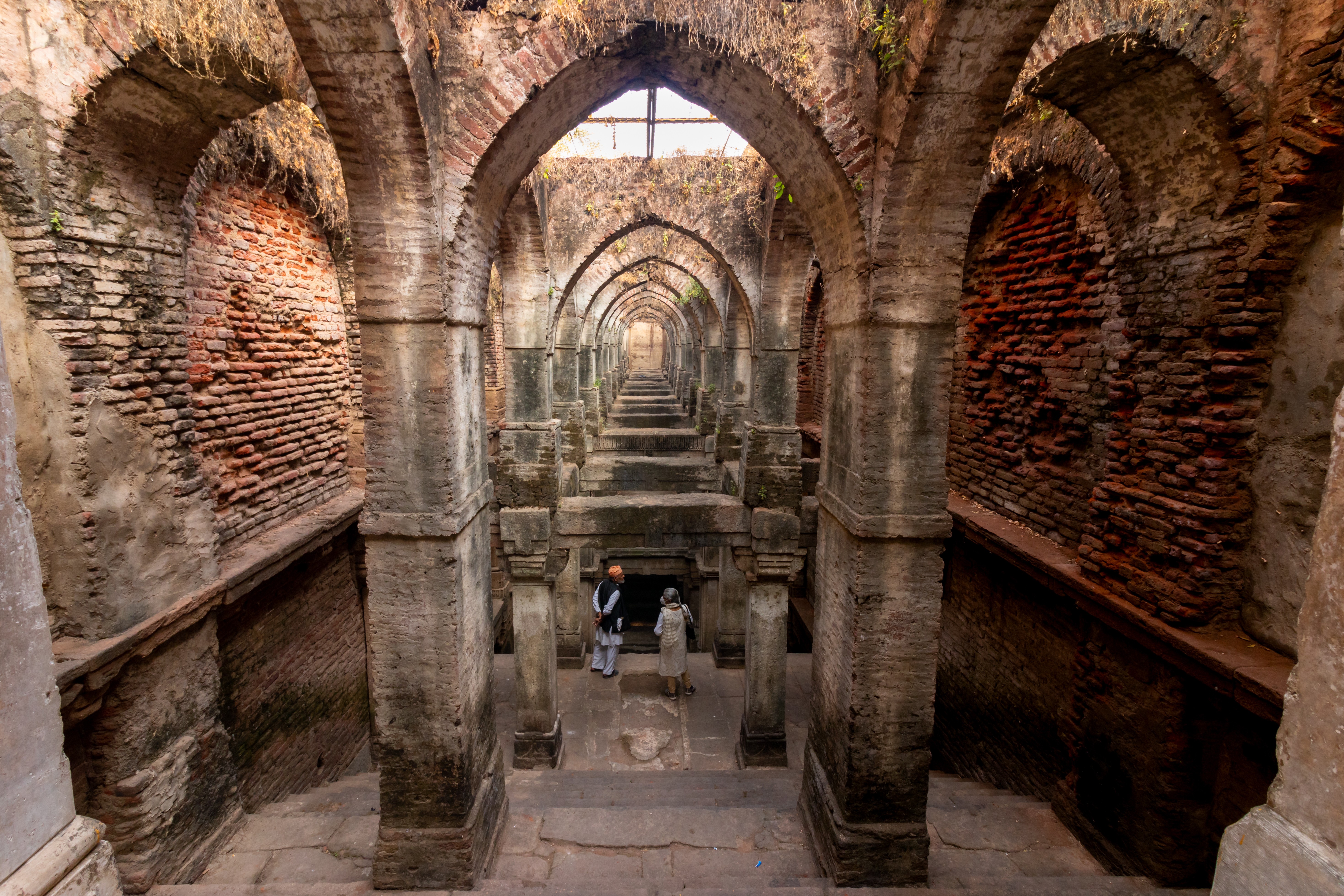
Borsad
Town in Gujarat, India
Borsad is a town and a municipality in Anand district in the state of Gujarat, India. It is located around 17 km from Anand. It is surrounded by the fertile Charotar region which largely produces tobacco, bananas, cotton, barley and other agricultural crops. Borsad was the seat of the Borsad satyagraha in 1922–23.

B. P. Koirala
Nepalese politician and writer
Bishweshwar Prasad Koirala, better known as B. P. Koirala, was a Nepali revolutionary, political leader, and writer. He was the Prime Minister of Nepal from 1959 to 1960. He led the Nepali Congress, a social democratic political party. He was the grandfather of Bollywood actors Manisha Koirala and Siddharth Koirala, the elder brother of former prime minister Girija Prasad Koirala and the younger brother of former prime minister Matrika Prasad Koirala.
Bradlaugh Hall
Historic hall in Lahore, Punjab, Pakistan
Bradlaugh Hall is a historic hall located in Lahore, Punjab, Pakistan. It was founded in the memory of a British member of the parliament, Charles Bradlaugh. It hosted the meetings of the Congress during the Indian independence movement.
Brahmoism
Hindu religious movement from mid-19th century Bengal, India
Brahmoism is a Hindu religious movement which originated from the mid-19th century Bengali Renaissance, the nascent Indian independence movement. Adherents, known as Brahmos, are mainly of Indian or Bangladeshi origin or nationality.
British Committee of the Indian National Congress
1889 organisation
The British Committee of the Indian National congress was an organization established in Britain by the Indian National Congress in 1889. Its purpose was to raise awareness of Indian issues to the public in Britain, to whom the Government of India was responsible. It followed the work of W.C. Bonnerjee and Dadabhoi Naoroji, who raised India related issues in the British parliament through the support of radical MPs like Charles Bradlaugh. William Wedderburn served as the first chairmanship and William Digby as secretary.

B. T. Ranadive
Indian politician (1904–1990)
Bhalchandra Trimbak Ranadive, popularly known as BTR, was an Indian communist politician and trade union leader.

Budhu Bhagat
Leader of Kol Uprising (1792-1832)
Budhu Bhagat was an Indian rebel. He had led guerrilla warfare against British. He was leader of Kol rebellion and Larka rebellion in 1831-32 in Chhotanagpur.
B. V. Kakkilaya
Indian freedom fighter
Bevinje Vishnu Kakkilaya was an Indian independence activist, writer and a senior leader of the Communist Party of India. Following India's independence, he served as a member of the Rajya Sabha, the upper House of the Parliament of India, and as member of the Karnataka Legislative Assembly.